
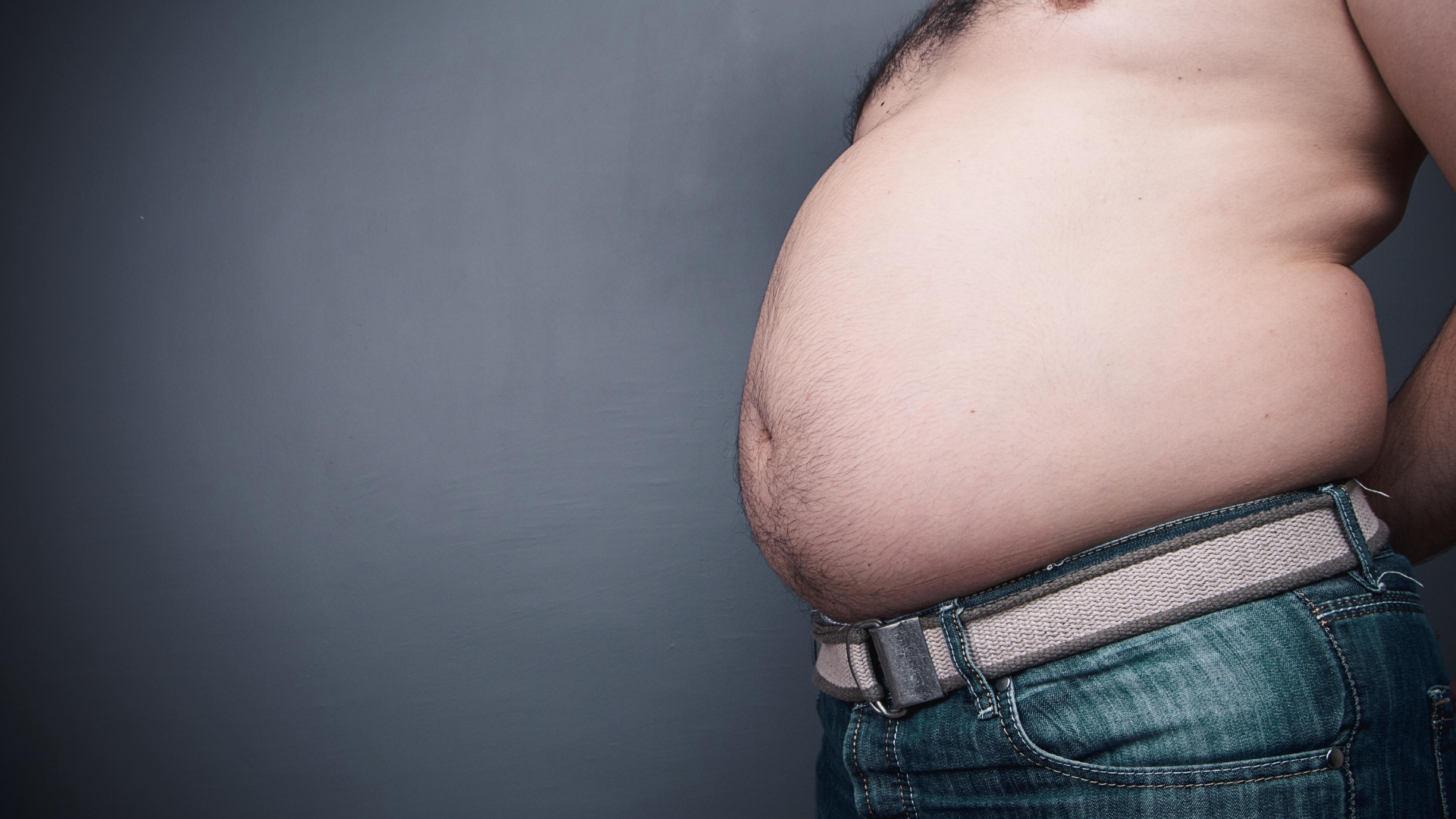
Fat loss is more than a calorie equation.
Calories matter. That's not in question. Nothing overrides that basic fact.
But reducing calories alone doesn't fix a body that isn't functioning well. And a body that isn't functioning well can make fat loss far harder than it needs to be.
The people who struggle most with fat loss aren't always failing at maths. They're often operating with compromised physiology. Poor aerobic capacity, nutrient gaps, and a disrupted gut, all impair the biological processes responsible for burning fat.
The result is a system working against itself, while you're genuinely putting in effort with frustratingly little change.
Addressing these underlying factors is the foundation of how I work. It's about knowing what to fix first, so that when a calorie deficit is applied, the body is actually equipped to respond to it.
But before I go further, there's an important distinction most people don't know about.
When people talk about "burning fat," they're using one word for two separate processes that both need to work.
The first is fat mobilisation - releasing stored fat from fat cells into the bloodstream. This is the part most diets target. Reduce calories, lower insulin, and the body begins releasing fat into circulation. This is the part most people get right.
The second is fat oxidation - actually burning that released fat as fuel inside your cells. Fat floating in the bloodstream isn't gone. It has to be transported into a cell, processed, and converted into energy. If that process is impaired, the fat simply gets repackaged and stored again.
Most fat loss approaches focus entirely on mobilisation and ignore oxidation. The three areas below explain why oxidation so commonly breaks down and why, for many people, this is the real problem.
Aerobic Fitness: Your Fat-Burning Engine
Aerobic fitness is commonly framed as how many calories you burn during exercise. But the more important question is what your aerobic system is actually capable of doing with fat once it's been released.
Fat oxidation happens inside structures in your cells called mitochondria, and it cannot proceed without a continuous oxygen supply. This means your body's ability to burn fat is directly limited by how efficiently it can deliver oxygen to your cells.
A body with poor aerobic fitness has two structural problems here. First, it has a less developed network of small blood vessels that carry oxygen to working tissue. You can be breathing normally and still be oxygen-limited at the cellular level, because the distribution system is underdeveloped. Second, aerobic training is what drives the creation of new mitochondria, and fewer mitochondria means less capacity to process fat, regardless of how much has been released into circulation.
The consequence is straightforward. Released fat arrives at the cell but can't be fully processed. The oxidation bottleneck means the body converts less of it to energy, and the remainder is returned to storage.
Beyond fat burning specifically, a poor aerobic system affects how your body handles the entire day. Movement that should feel easy costs more effort. Heart rate climbs faster, recovery takes longer, and the body conserves energy wherever it can. Over time, this becomes a pattern. Less incidental movement, more fatigue, poorer sleep, and increasingly poor food decisions driven by low energy. Each of these things makes fat oxidation harder.
Nutrient Deficiency: When the Body Lacks the Raw Materials
Fat oxidation isn't a single switch, it's a sequence of chemical reactions, each one requiring specific vitamins and minerals to carry it out. When those nutrients are missing or are low, the reactions slow down. Fat loss doesn't stop entirely, but the process runs below capacity at multiple points simultaneously.
B vitamins (B1, B2, B3, B5, and B7) are essential to the reactions that convert fat and carbohydrate into usable cellular energy. Without adequate levels, energy production from both fuel sources is reduced. This matters both for fat oxidation directly and for sustaining the aerobic activity that supports it.
Magnesium is involved in over 300 enzymatic reactions, including energy production and blood sugar regulation, and it affects how well cells respond to insulin. When magnesium is low, cells become less sensitive to insulin, and the body tends to store glucose rather than use it, keeping the metabolic environment tilted toward storage rather than burning. Magnesium is depleted by stress, caffeine, and poor sleep, making it one of the most commonly insufficient nutrients in the 30–50 age group.
Iron carries oxygen in the blood. Subclinical iron deficiency, where stored iron (ferritin) is low but the standard blood marker (haemoglobin) appears normal, can reduce oxygen delivery to cells without showing up on a routine blood test. Given that fat oxidation depends entirely on oxygen reaching the mitochondria, low iron directly limits the process. This is particularly relevant for pre-menopausal women and is frequently missed.
Zinc plays a role in blood sugar regulation, hormone function, and immune health. Research published in the Journal of the American College of Nutrition found that zinc-deficient individuals had significantly lower resting metabolic rate (the baseline rate at which the body burns energy at rest) and that supplementation helped restore it. A lower metabolic rate means the body is burning less fuel around the clock, independent of exercise.
Vitamin D behaves more like a hormone than a conventional vitamin, with receptors in fat tissue and muscle. Deficiency is linked to reduced insulin sensitivity, impaired muscle function, and higher levels of systemic inflammation, all of which create resistance to fat loss.
The connection to aerobic fitness is direct. Many of these deficiencies worsen the oxygen delivery and cellular energy production that the aerobic system depends on. Iron limits oxygen transport. B vitamins limit what cells do with that oxygen. Magnesium affects the insulin environment that determines whether fat is released in the first place. These aren't isolated problems, they compound each other, and they compound the aerobic limitations described above.
Adequate nutrient levels won't produce fat loss on their own. But deficiencies create a ceiling on how well the system can function. Addressing them removes friction that's been silently working against everything else.
Gut Health: Where Everything Either Works or Doesn't
If poor aerobic fitness limits how much fat can be burned, and nutrient deficiencies limit the cellular machinery doing the burning, poor gut health undermines both while adding its own direct interference.
The gut determines how well nutrients are absorbed. A compromised gut means that even a well-designed diet may not be delivering the vitamins and minerals the aerobic and metabolic systems need to function. The B vitamins, magnesium, iron, zinc, and vitamin D discussed above are only useful if they're actually getting into the body in sufficient amounts. Gut health is what makes that possible.
The Microbiome and Metabolic Function
The gut contains trillions of microorganisms that influence how food is processed and what signals the body receives about fuel use. When gut bacteria are balanced and diverse, they support insulin sensitivity, gut lining integrity, and appetite regulation.
When that bacterial balance is disrupted through poor diet, stress, medication, or simply years of accumulated lifestyle factors, these benefits diminish. Insulin sensitivity worsens, gut permeability increases, and the body's ability to accurately read its own fuel needs deteriorates. The gut is not a passive system. The state of its bacterial environment actively shapes the broader metabolic environment.
Stress and Digestive Function
Chronic stress, the sustained, low-level kind that comes from high workloads, poor sleep, and constant demands, directly suppresses digestive function. The nervous system, under stress, deprioritises digestion. Digestive enzyme production decreases, which reduces how effectively food is broken down and nutrients are absorbed. Gut movement slows, altering the bacterial environment in the colon. The gut lining becomes more permeable.
For many people, this isn't an occasional response to an acute stressor. It's a near-constant background state, and the cumulative damage to nutrient absorption and gut integrity accumulates quietly over time.
Chronic Systemic Inflammation
When the gut lining is compromised, bacterial byproducts leak into circulation and trigger a persistent, low-grade inflammatory response throughout the body. This inflammation has direct consequences for fat metabolism.
It interferes with insulin signalling, pushing the body toward fat storage. It impairs the function of mitochondria (the same structures that fat oxidation depends on) and it compounds the aerobic and nutrient problems upstream. Inflamed tissue is less oxygen-efficient, and inflammation increases the demand for the micronutrients already in short supply.
The loop is self-reinforcing. A poor diet drives poor gut health and inflammation. Inflammation worsens gut permeability. Stress and poor sleep worsen both. Nutrient absorption deteriorates. The aerobic system operates under greater strain. Fat oxidation capacity falls further.
This is the point where fat loss should no longer be the main problem to address.
When poor aerobic fitness, nutrient deficiency, and gut dysfunction are all present simultaneously, the body is dealing with impaired oxygen delivery, compromised cellular energy production, reduced nutrient absorption, insulin resistance, and chronic systemic inflammation all at once. Applying a calorie deficit to that body creates stress on a system already under significant strain. The deficit may produce some weight loss, but the body will fight it, recovery will be poor, energy will be low, and the results rarely last.
In this situation, the goal needs to shift. Fixing the physiology becomes the priority.
Calorie deficits still matter.
Food quality still matters.
But the body receiving that deficit matters more.