
hacking health
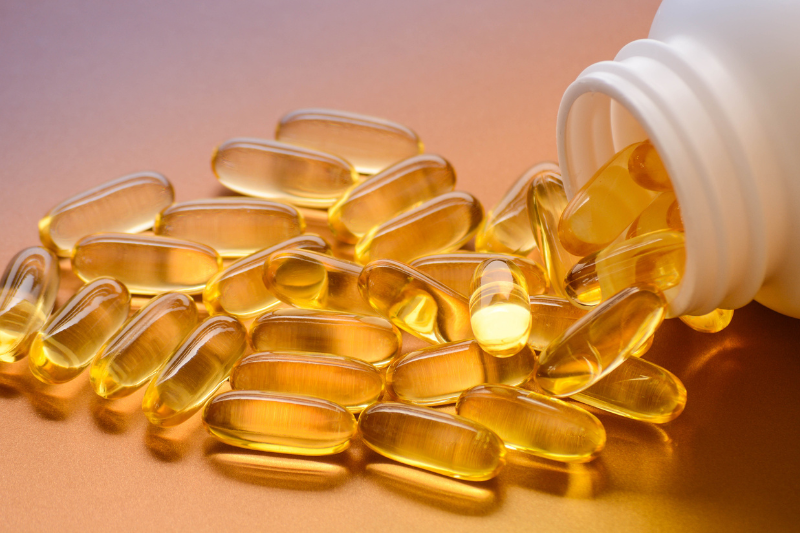
SUPPLEMENTS AREN’T A QUICK FIX
I've watched people drop hundreds of dollars a month on supplements chasing miracle cures for their brain fog, low energy and poor sleep. But supplements are called supplements for a reason. They supplement a foundation that already exists, and if that foundation isn't there, you can't hack your way to better biology.
The supplement and wellness industry is built on selling you a fix before anyone's looked hard at your lifestyle, health and fitness. It's a lot easier, and a lot more profitable, to sell you a bottle and a diagnosis than to tell you the actual problem is you.
I had a client come to me after spending a serious amount of money on supplements and appointments for "adrenal fatigue." When we actually talked through their lifestyle, it became very clear they didn’t have adrenal fatigue at all. They drank alcohol daily, their sleep was wrecked (largely because of the alcohol), they snacked all day instead of eating proper meals, and they barely touched vegetables.
They had a poor diet and a nightly habit that was undoing their sleep and their nutrition at the same time. We removed the alcohol completely for a month and added vegetables back into their meals. The change was immediate. Now we really knew what the problem was.
No supplement they had been sold addressed any of that, because the people selling them weren't in the business of telling them to stop drinking. They were in the business of selling supplements. So before you spend money chasing a diagnosis or a fix, ask who benefits if you don't look at the basics first.
Usually, it's not you.
Nootropics won't fix a broken foundation
Alpha GPC, Lion's Mane, magic "brain elixirs" promising sharper focus and clearer thinking. It’s not that the compounds are fake, but improved cognition isn't getting in more choline or more nerve growth factors. It's a downstream effect of poor sleep quality, blood glucose stability, and gut-brain signalling.
If you're not getting deep sleep, your glymphatic system isn't clearing metabolic waste from your brain overnight. If your gut is inflamed, that's affecting neurotransmitter production and systemic inflammation that directly impairs cognitive function. No nootropic outworks that. Fix sleep and diet first. The nootropic is a 5% edge on top of a foundation that's already 95% there.
Collagen won't build or repair the tissue you think it will
Yes, collagen is an amino acid your body needs for joints, skin, and connective tissue. But taking collagen powder doesn't mean your body ships it straight to your sore knees. Digestion breaks it down into individual amino acids and peptides, and your body redistributes those wherever it's needed most, which may have nothing to do with the tissue you're trying to support.
More importantly, collagen is a low-leucine protein source. Leucine is the amino acid that triggers muscle protein synthesis, the process that actually repairs and builds muscle tissue.
Collagen barely touches that pathway. Whey protein does.
Whey is a complete protein, high in leucine, more bioavailable, and cheaper per gram of usable protein than most collagen products on the market. If your goal is joint and connective tissue health, this comes from adequate total protein intake, resistance training that loads the tissue, and vitamin C status (needed for collagen synthesis), not from supplementing the one amino acid profile least suited to the job.
Longevity supplements are an expensive hack for a problem you haven't earned yet
AgeMate, NMN, NAD boosters, Urolithin A. The marketing is impressive, the science is early stage, and the actual effect sizes in humans are modest at best. The research on longevity that's actually solid (aerobic fitness, strength, diet quality, sleep, metabolic health) keeps getting ignored because it's not sellable and more effort is needed to get it.
If your VO2 max is low and your diet is inconsistent, no amount of NAD precursor is going to move the needle on how long or how well you live. These supplements might have a role eventually, for someone who's already maxed out the fundamentals and wants the last 1 to 2%. For most people reaching for them, they're an expensive way to feel like they're doing something instead of doing the harder work.
GREEN powders are not a vegetable replacement
If you read the label on most greens powders, you'll see 20 plus ingredients crammed into one scoop. This looks impressive until you check the actual dose of each one. Often measured in milligrams, the studied effective doses for many of these compounds are in the grams. You're getting a sprinkle of a lot of things and a meaningful amount of nothing.
Whole vegetables and fruit deliver fibre, water, and a full spectrum of phytonutrients in the quantities your body actually needs to use, plus the fibre that feeds your gut microbiome, which a powder can't replicate. A greens powder can be a top up on a low day. It is not a substitute for eating plants.
Stress and sleep supplements can't out-supplement a problem you're not addressing
Ashwagandha and Rhodiola Rosa are genuinely well researched adaptogens. They can measurably lower cortisol and support your stress response. But they're modulating your reaction to the stressor, not removing the stressor. And if you can’t regulate your response to stress eg. you fly off the handle at every little thing, small knockbacks send you right off track, you catastrophise everything, you blame instead of own issues. Then add in a chronically overloaded job, a bad relationship, or you simply never switch off, no adaptogen fixes that.
Sleep supplements work the same way. Magnesium, GABA, glycine, apigenin can support the physiology of falling and staying asleep. But if you're on your phone at 11pm or watching the latest movie thriller with blue light suppressing melatonin, drinking caffeine after 2pm, or going to bed at a different time every night, you're fighting your own supplement. Fix the sleep hygiene and circadian consistency first. Then a sleep aid has something to actually amplify.
Gut health supplements won't fix a gut you're actively wrecking
Probiotics, prebiotics, gut powders, your supermarket has a whole aisle of them. If you're regularly drinking alcohol, eating a diet high in processed food and sugar, and getting low fibre, no gut supplement is going to outpace what you're doing to your gut every single day. Alcohol disrupts your gut lining and microbiome balance. Sugar and processed food feed the wrong bacteria and drive inflammation. Low fibre starves the bacteria you actually want more of.
A probiotic strain might help at the margins, but it's competing against a daily environment that's working directly against it. Fix the inputs (cut the alcohol, cut the processed food, get your fibre up) and your gut health will improve with or without the supplement. Add the supplement on top of that foundation and it has something to actually build on.
Electrolytes are largely unnecessary
Electrolyte supplements have a real, specific use case, heavy training in heat, high-volume endurance work, or people who are genuinely heavy sweaters. Outside of that, most people are already getting more sodium than they need from processed food.
The bigger issue is that a lot of commercial electrolyte products are underdosed on the minerals that actually matter for recovery and performance, potassium and magnesium, because those are more expensive than sodium. If your diet is processed food and low in fruit and vegetables, an electrolyte sachet is simply adding even more sodium.
And lastly, and one I see a lot of…
Stacking
Stack a heap of supplements at once and you run into real problems, separate from whether any single one works:
Liver and kidney load. Everything you swallow gets processed through the liver, and a lot of it gets filtered through the kidneys. Both organs handle a normal supplement or two fine. Ask them to process 15 different compounds simultaneously, several at doses well above what a normal diet would ever deliver, and you're putting sustained metabolic strain on two organs that weren't built for that volume. Fat-soluble ones especially (A, D, E, K) don't just get excreted if you overdo it, they accumulate in liver and fat tissue.
Nutrient interactions can cancel each other out, or worse. Minerals compete for absorption. Too much zinc blocks copper absorption. Too much calcium interferes with magnesium and iron uptake. High-dose iron on top of vitamin C boosts absorption to the point of toxicity risk. Stack a multivitamin, a greens powder, a joint blend, and a "longevity stack" together and you've likely got 4-5x the recommended dose of several minerals, with no way of knowing because none of the labels talk to each other.
GI and gut disruption. High doses of cheap magnesium, vitamin C, or certain fibre/prebiotic blends taken together commonly cause diarrhoea, bloating and cramping, which ironically undermines the gut health people are often chasing in the first place.
Masking symptoms instead of revealing them. If something's genuinely off (a real deficiency, a thyroid issue, an actual medical problem) taking a huge stack of "everything" supplements can blunt or mask the symptoms just enough that the real issue never gets identified and properly treated.
Adrenal and nervous system stress, ironically. A lot of these stacks combine multiple stimulant-adjacent ingredients (caffeine, various stimulant nootropics, high-dose B vitamins that increase energy metabolism) alongside "calming" adaptogens in the same day. That push-pull on the nervous system, cortisol and adrenaline one way, ashwagandha and theanine the other, is a lot of internal noise for the body to manage, and can leave people feeling wired, flat, or both depending on the day.
Cost of monitoring. With one or two supplements, if something feels off, you know what to stop. With a handful, if you get a headache, GI issue, or blood test comes back abnormal, there's no way to isolate which of the pills is the cause without stopping everything and reintroducing one at a time, which almost nobody does.
What I do recommend…
A quality Multivitamin. Think of this as insurance, not a foundation. If you're in a calorie deficit, training hard, or just starting to clean up your diet, a multivitamin covers the micronutrient gaps that even a well-planned diet often misses. Most people don't hit optimal intake of everything, every day, and this closes the margin.
Fish oil. Most people don't eat oily fish two to three times a week, which means many people are under-consuming EPA and DHA, the omega-3s that support cardiovascular health, help manage inflammation, and are structurally important for brain function. If your diet is low in fatty fish, this is one of the few supplements with a genuinely strong evidence base behind it.
Magnesium. Involved in over 300 enzymatic reactions in the body, including muscle relaxation, nervous system regulation, and sleep quality. Modern diets, particularly ones reliant on processed food and depleted soil produce, commonly fall short here. If you train hard, magnesium losses through sweat increase your requirement further. This is one of the more practical, evidence backed additions for most people.
Whey protein. This is a convenience tool. Hitting adequate daily protein through whole food alone is achievable but requires effort, and for a lot of people, expensive. Whey gives you a complete, high leucine, easily digested protein source that supports muscle repair and growth, and it's genuinely one of the most cost-effective supplements per gram of benefit that exists.
Creatine. One of the most researched supplements in existence, and one of the few with genuinely consistent results. It increases phosphocreatine stores in muscle, which improves your capacity for short, high intensity effort, meaning more reps, more power output, and better recovery between sets. Beyond performance, it's also linked to improved cognitive function and may support bone density, particularly as you age. It's cheap, safe, and well studied. Just don't expect it to turn you into a different athlete overnight. It's a small, compounding edge, not a shortcut.
Vitamin D, seasonally. Vitamin D is produced through skin exposure to UVB light, which means intake is directly tied to how much sun you're getting. In the low light months of the year, or if you're someone who spends most of your time indoors, deficiency is common, and vitamin D is critical for immune function, bone health, and mood regulation. Supplementing through the darker months (and testing your levels if you're unsure) closes a gap that diet alone rarely fills.
These five have the most research behind them, don't conflict with each other, and actually go towards building the foundation.
The theme across all of this is the same... Fix your sleep, your diet, your training, and your stress management first. Then the right supplement, at the right dose, for the right reason, will actually do something. Skip the foundation and you're just an expensive science experiment with no control group.
If you need help making changes to improve
your health, start a conversation - link